
Furry Nails: Everything You Need to Know Before You Get Them
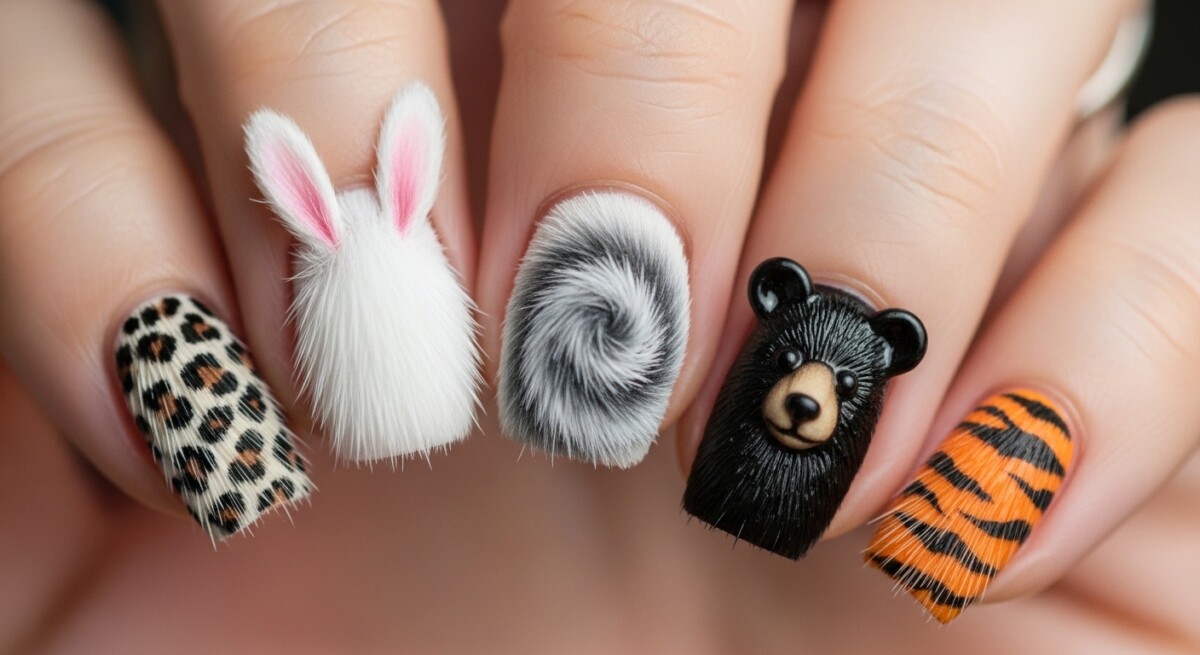
In the ever-evolving world of nail art, trends come and go, but some styles leave a lasting—or at least a fuzzy—impression! One such trend that has been making waves and turning heads is the concept of furry nails. Yes, you read that right – nails adorned with actual fur, flocking powder, or velvet textures. While it might sound unusual at first, this playful and extravagant nail design has captivated beauty enthusiasts and social media alike, offering a unique way to express personality and push the boundaries of conventional manicures.
Before diving headfirst into this fluffy trend, there’s a lot to consider. From materials and application to maintenance, hygiene, and durability, achieving furry nails is a commitment that requires a thorough understanding. This comprehensive guide will walk you through everything you need to know about furry nails, helping you decide if this whimsical style is the right fit for your fingertips.
What Exactly Are Furry Nails? Defining the Fluffy Phenomenon
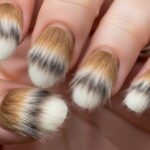
At its core, furry nails involve applying a soft, textured material to the nail surface to create a plush, fuzzy look and feel. This trend first gained significant traction around 2015, exploding onto social media feeds and fashion runways. It was a bold departure from the sleek, glossy finishes that dominated nail art for years, introducing a tactile dimension that was both surprising and undeniably eye-catching.
The ‘fur’ itself isn’t necessarily actual animal fur; this avoids ethical concerns and is more practical for nails. Instead, the effect is typically achieved using one of several methods:
- Flocking Powder: This is the most common method. Flocking powder consists of tiny, finely cut fibers (often nylon, rayon, or polyester) that are applied over a wet top coat or a specially formulated adhesive. Once dry, the excess is brushed away, leaving a velvety or fuzzy texture.
- Velvet Powder/Glitter: Similar to flocking, but often referring to even finer particles that create a softer, more uniform velvet-like finish.
- Faux Fur Patches: For a truly dramatic effect, small pieces of synthetic fur can be carefully cut and glued onto nails, sometimes covering the entire nail or just as an accent. This method usually results in a shaggier, more pronounced furry appearance.
No matter the material, the goal is always to create nails that are not just visually appealing but also offer a unique tactile experience. It’s about bringing texture and a sense of playful extravagance to your fingertips.
The Allure of Furry Nails: Why This Trend Keeps Us Hooked
Despite their unconventional nature, furry nails continue to pop up in trend reports and on social media, captivating a niche but dedicated following. So, what makes this fluffy manicure so appealing?
- Uniqueness and Novelty: In a world saturated with typical gel and acrylic manicures, furry nails truly stand out. They are an instant conversation starter and a clear statement of individuality.
- Fashion-Forward Statement: For those who love to experiment with fashion and beauty, furry nails offer a playful yet chic accessory that can complement avant-garde outfits or add an unexpected twist to everyday wear.
- Tactile Pleasure: There’s something inherently appealing about the softness and texture. It adds a sensory dimension to nail art that traditional polish simply can’t replicate.
- Instagrammability: Let’s be honest, furry nails are incredibly photogenic. Their unique texture and visual appeal make them perfect for social media shares, helping to spread the trend.
- Playfulness and Whimsy: They evoke a sense of fun, reminding us that beauty doesn’t always have to be serious. They are perfect for themed events, holidays, or simply injecting some joy into your look.
Types of Furry Nails: A Style for Every Taste
The beauty of furry nails lies in their versatility. While the basic concept is consistent, there are numerous ways to customize and personalize your fluffy manicure:
- Full Fur Coverage: The most iconic look involves covering every nail entirely with fur or flocking powder, creating a bold, cohesive, and incredibly soft finish across all fingers.
- Accent Fur Nails: For a more subtle approach, you can choose to apply fur to just one or two accent nails, leaving the others with a complementary regular polish or design. This is a great way to dip your toes (or fingers!) into the trend without committing to a full set.
- Ombre Fur: Combine different shades of flocking powder to create a gradient effect, transitioning from one color to another across the nail or from the base to the tip.
- Patterned Fur: Using stencils or careful application, you can create patterns or shapes with the fur, such as stripes, polka dots, or even animal prints (think fuzzy leopard spots!).
- Shaggy vs. Velvety: The choice of material impacts the texture. Flocking powder often gives a dense, velvety feel, while faux fur patches can create a distinctly shaggy or plush look.
The color palette is also endless, ranging from classic neutrals like black, white, and grey to vibrant neons and pastels. You can match your nails to your outfit, a holiday theme, or simply choose your favorite hue to make a statement.
Getting Furry Nails: DIY vs. Salon Application
Once you’ve decided that furry nails are for you, the next step is to consider your application options. Both DIY and professional salon applications have their pros and cons.
DIY Furry Nails: Unleash Your Inner Nail Artist
Creating furry nails at home is surprisingly accessible, especially with flocking powder. Here’s what you’ll typically need and the basic steps:
Materials Required:
- Base Coat: To protect your natural nails.
- Colored Nail Polish: A color that matches or complements the flocking powder, as the base color might show through.
- Top Coat or Nail Adhesive: A regular clear top coat (while still wet) or a dedicated nail art adhesive is crucial for ensuring the flocking powder adheres properly.
- Flocking Powder: Available in a wide array of colors from beauty supply stores or online.
- Small Brush (fan brush recommended): For dusting off excess powder.
- Tray or Paper: To catch excess powder for reuse.
Step-by-Step Process:
- Prepare Nails: File, buff, and push back cuticles. Apply a base coat.
- Apply Color: Apply two thin coats of your chosen colored nail polish, allowing each to dry completely.
- Apply Adhesive/Top Coat: Working one nail at a time, apply a generous but even layer of clear top coat or nail adhesive. This layer needs to be wet when you apply the fur.
- Apply Flocking Powder: Immediately after applying the wet top coat, hold your finger over your tray/paper and generously sprinkle the flocking powder over the entire wet nail. Gently pat the powder down with your fingertip or a clean, dry brush to ensure good adhesion.
- Repeat and Clean Up: Allow it to dry for a few minutes. Then, gently brush away any excess powder from around the nail with a fan brush. Repeat the process for each nail.
- No Top Coat Over Fur: Crucially, do NOT apply a clear top coat over the fur itself, as this will flatten the texture and defeat the purpose.
Pros of DIY: Cost-effective, creative freedom, ability to change styles frequently.
Cons of DIY: Can be messy, requires practice for a neat finish, may not last as long as professional application.
Professional Salon Application: The Expert Touch
If you prefer a flawless finish and longer-lasting results, visiting a nail salon is your best bet. Many nail technicians are familiar with 3D nail art trends and can offer a more refined application.
What to Expect:
- Specialized Products: Salons often use higher-quality flocking powders and stronger, more durable adhesives designed for extended wear.
- Expert Application: A professional can ensure even coverage, clean edges, and proper adhesion, leading to a much more polished look.
- Customization: Technicians can often create more intricate designs, combine fur with other nail art elements, or recommend the best approach for your desired look.
Pros of Salon: Professional finish, potentially longer lasting, less mess, access to more specialized techniques.
Cons of Salon: More expensive, requires appointments, limited by technician’s skill set.
Maintenance and Care: Keeping Your Furry Nails Fabulous
The biggest challenge with furry nails is their maintenance. Unlike traditional polish, they are not sealed with a top coat, making them more susceptible to wear and tear. Proper care is essential to extend their life and keep them looking their best.
- Avoid Water and Moisture: This is paramount: water can flatten the fur, cause the adhesive to weaken, and lead to matting. When washing hands, try to keep your nails dry or wear gloves. Use hand sanitizer instead of frequent hand washing if possible.
- Be Gentle: Avoid rough activities that could snag, pull, or rub the fur. Be mindful when doing chores, dressing, or handling objects.
- Spot Cleaning: If your furry nails get dirty, gently dab them with a dry, soft cloth or a very slightly damp (almost dry) cotton swab, then fluff them back up with a clean, dry brush.
- Avoid Oils and Lotions: These can also clump the fur and make it look greasy. Apply lotions to the back of your hands, avoiding the nails.
- Expect Shorter Wear Time: Don’t expect these to last two weeks like a gel manicure. Depending on your activities, furry nails typically last a few days to a week before showing significant wear.
- Storage of Hands: When sleeping, try to prevent your hands from being rubbed extensively against sheets or blankets.
Think of furry nails as a delicate accessory rather than a rugged, everyday manicure.
Potential Challenges and Considerations Before You Commit
While undoubtedly fun, furry nails come with their unique set of challenges that potential wearers should be aware of:
- Durability Issues: As mentioned, they are not the most long-lasting nail style. The fur can shed, get matted, or wear down, especially on the tips of the nails.
- Hygiene Concerns: The textured surface can trap dirt, dust, and lint more easily than smooth nails. Regular, gentle cleaning is necessary to keep them hygienic. They are not ideal for professions requiring sterile conditions.
- Allergic Reactions: Though rare, some individuals might be sensitive to the synthetic fibers in flocking powder or the adhesives used. Always do a patch test if you have sensitive skin.
- Practicality: Everyday tasks like typing, cooking, or even getting dressed can be slightly cumbersome with fluffy nails. Consider your lifestyle before committing.
- Removal Process: While often easier to remove than gel or acrylics (usually involving gentle peeling or soaking in polish remover for the adhesive), sometimes traces of adhesive or fur can remain, requiring careful cleanup.
Furry Nails for Special Occasions vs. Everyday Wear
Given their specific care requirements and durability, furry nails are often best reserved for certain occasions:
- Special Events: Perfect for parties, festivals, themed gatherings, costume events, or fashion shows where you want to make a bold statement.
- Photo Shoots: Their unique visual appeal makes them fantastic for editorial work or social media content.
- Short-Term Fashion Statements: If you love changing your nail art frequently, furry nails can be a fun, temporary experiment.
For everyday wear, they might pose more of a challenge due to their delicate nature and maintenance needs. However, if your lifestyle allows for it and you’re committed to the upkeep, there’s no reason not to rock them daily!
Beyond Fur: Other 3D Nail Trends to Explore
If the idea of textured nails appeals to you but furry nails seem a bit too much, there are other fantastic 3D nail trends worth exploring:
- Velvet Nails: A smoother, often less pronounced fuzzy effect than full fur, offering a sophisticated texture.
- Pom-Pom Nails: Tiny, colorful pom-poms attached to nails for an even more whimsical and playful look.
- Charm Nails: Small metallic or jeweled charms glued onto the nail surface.
- Sweater Nails: Using gel polish to create raised, cable-knit sweater patterns.
These trends demonstrate the boundless creativity in nail art, constantly pushing boundaries and inviting us to experiment.
Conclusion: Embrace the Fluff (or Not!)
Furry nails are undoubtedly one of the most distinctive and attention-grabbing nail art trends to emerge in recent years. They offer a unique blend of texture, playfulness, and high fashion, allowing wearers to make a truly unforgettable statement. While they require a bit more commitment in terms of application and maintenance, the visual impact and sheer fun factor can be well worth the effort for those looking to stand out from the crowd.
Before you commit, weigh the pros and cons, consider your lifestyle, and decide if you’re ready to embrace the fluff. Whether you opt for a DIY project or a professional salon experience, diving into the world of furry nails is an adventure in self-expression that promises to be anything but boring.
Frequently Asked Questions
How long do furry nails typically last?
Furry nails, due to their unsealed nature, generally last anywhere from a few days to a week. Their longevity largely depends on how well they are cared for and the level of activity involving your hands. Avoiding water and friction will significantly extend their wear time.
Are furry nails hygienic?
While the textured surface can potentially trap dust or lint more easily than smooth nails, furry nails can be kept hygienic with proper care. Gentle spot cleaning with a dry or barely damp cloth can help remove debris. However, they are not recommended for environments requiring strict sterile conditions, and frequent hand washing should be minimized to preserve the fur.
Can I wash my hands normally with furry nails?
It is strongly advised to avoid washing your hands normally with furry nails. Water and moisture can flatten the fur, weaken the adhesive, and lead to matting, quickly ruining the manicure. If you must wash your hands, try to keep your nails dry or wear gloves. Hand sanitizer is a better alternative for quick cleaning.


4 thoughts on “Furry Nails: Everything You Need to Know Before You Get Them”