

Coffin vs. Ballerina Nails: Find Your Perfect Shape Now
Welcome to the ultimate showdown in nail fashion! If you’ve spent time scrolling social media for nail inspiration, you’ve likely encountered two incredibly popular, yet often confused, nail shapes: coffin nails and ballerina nails. Both boast a distinctive elegance and edgy appeal, making them favorites among celebrities and everyday fashionistas alike. But what exactly sets them apart? More importantly, which one is the perfect fit for your personal style and lifestyle?
At first glance, coffin nails and ballerina nails appear almost identical. They both feature tapered sides and a blunt, flat tip, distinguishing them from classic almond or square shapes. However, subtle nuances in their design contribute to vastly different overall aesthetics and practicalities. Understanding these distinctions is key to making an informed choice you’ll love.
In this comprehensive guide, we’ll dive deep into the world of both coffin nails and ballerina nails. We’ll explore their unique characteristics, discuss their pros and cons, and provide all the information you need to confidently choose the nail shape that best expresses your personal style. Get ready to transform your fingertips!
What Are Coffin Nails?
Let’s begin with the bold and striking coffin nails. This popular nail shape has taken the nail world by storm, celebrated for its dramatic flair and fashion-forward appeal. As the name suggests, coffin nails are designed to resemble the shape of a coffin (specifically a medieval casket), tapering towards the free edge and finishing with a strong, flat, blunt tip.
Characteristics of Coffin Nails
- Tapered Sides: The sides of coffin nails gradually narrow from the base of the nail to the tip. This tapering creates an elongating effect on the fingers.
- Blunt, Flat Tip: Unlike pointed stiletto nails or rounded oval nails, coffin nails culminate in a straight, flat edge at the very top. This blunt tip is a defining feature and gives the shape its distinctive look.
- Dramatic Angle: The angle at which the nail tapers and meets the blunt tip is often quite sharp and pronounced, contributing to its edgy aesthetic.
- Length Requirement: To truly achieve the desired effect, coffin nails typically require a medium to long length. Shorter nails might not have enough surface area to showcase the taper and blunt tip effectively.
Pros and Cons of Coffin Nails
Pros:
- Elongating: The tapered sides and length make fingers appear longer and more slender.
- Trendy and Edgy: Coffin nails are undeniably fashionable and exude a confident, bold style. They are a favorite among celebrities and trendsetters.
- Versatile for Designs: The broad, flat tip and ample surface area provide a fantastic canvas for intricate nail art, gems, glitter, and other embellishments.
- Stronger Than Stiletto: While still long, the blunt tip can be less prone to breaking than a sharp stiletto point.
Cons:
- Prone to Snagging: The distinct corners of the blunt tip can sometimes catch on clothing or hair, especially if not perfectly filed and smooth.
- Requires Length: If you prefer very short nails, coffin nails might not be the most suitable shape.
- Maintenance: Maintaining the crisp edges and length requires regular filing and upkeep, especially with natural nails.
What Are Ballerina Nails?
Often used interchangeably with coffin nails, ballerina nails (sometimes also called pointe nails) share many similarities but possess a subtle elegance all their own. The name “ballerina nails” is inspired by the toe shoes worn by ballet dancers, which also feature a tapered body and a flat, blunt tip.
Characteristics of Ballerina Nails
- Tapered Sides: Like coffin nails, ballerina nails also taper from the base to the free edge, creating an elegant, slenderizing effect.
- Blunt, Flat Tip: They, too, end in a straight, blunt tip. This is where the primary source of confusion with coffin nails lies.
- Softer Taper: The key differentiator often lies in the degree of tapering. Ballerina nails tend to have a slightly softer, more gradual taper compared to the more dramatic angle of coffin nails.
- Narrower Tip: Consequently, the blunt tip of a ballerina nail is often slightly narrower and more refined, mimicking the delicate box of a pointe shoe.
- Length Requirement: Ballerina nails also benefit greatly from medium to long lengths to fully showcase their shape.
Pros and Cons of Ballerina Nails
Pros:
- Elegant and Sophisticated: Ballerina nails offer a refined and graceful aesthetic, perfect for those seeking a chic yet modern look.
- Elongating: The tapered shape still provides the benefit of making fingers appear longer and more slender.
- Strong and Durable: Similar to coffin nails, the blunt tip provides more resilience than a sharp point.
- Versatile Styling: While perhaps slightly less “edgy,” ballerina nails are still an excellent canvas for a wide range of designs, from minimalist to elaborate.
Cons:
- Requires Length: Again, shorter nails don’t allow for the full expression of this shape.
- Can Be Prone to Snagging: While potentially less so than coffin nails due to a softer taper, the blunt corners can still catch if not carefully maintained.
- Professional Shaping Recommended: Achieving the perfect, consistent taper and blunt tip often requires the skill of a professional nail technician.
The Key Differences: Coffin Nails vs. Ballerina Nails
Now that we’ve explored each nail shape individually, let’s compare them side-by-side to highlight their distinguishing features. While they are incredibly similar, these distinctions are significant enough to influence your final decision when choosing between coffin nails and ballerina nails.
- Degree of Tapering: This is arguably the most crucial distinction. Coffin nails typically feature a more pronounced, angular taper. The sides often come in more sharply towards the tip. Ballerina nails, on the other hand, usually have a softer, more gradual, and subtle taper, leading to a less aggressive silhouette.
- Width of the Tip: As a direct result of the tapering, the blunt tip of coffin nails tends to be slightly wider and more pronounced. The tip of ballerina nails is generally narrower and more delicate, reflecting the slender design of a pointe shoe.
- Overall Aesthetic: Coffin nails lean towards an edgy, bold, and dramatic look. They make a statement. Ballerina nails offer a more refined, elegant, and sophisticated vibe, maintaining a contemporary feel without being overly aggressive.
- Naming Convention: The names themselves offer a clue to their essence. “Coffin” suggests something bold and striking, while “Ballerina” evokes grace and poise.
Think of it this way: if you want your nails to scream “fashion-forward and daring,” you’re probably leaning towards coffin nails. If your goal is “understated elegance with a modern twist,” then ballerina nails are likely your match.
Which Nail Shape Is Right For You?
Choosing between coffin nails and ballerina nails isn’t just about aesthetics; it also depends on your lifestyle, natural nail shape, and personal preferences. Here are some factors to consider:
1. Your Personal Style and Desired Look
- For the Bold and Edgy: If you love making a statement, embracing trends, and prefer a dramatic, fierce look, coffin nails are an excellent choice. They pair well with avant-garde fashion and strong personality.
- For the Elegant and Refined: If you lean towards classic elegance, sophistication, and a softer, more graceful appearance, ballerina nails will complement your style beautifully. They are perfect for both formal events and everyday chic.
2. Your Lifestyle and Daily Activities
- Active Lifestyle: Both shapes, due to their length and blunt corners, can be prone to snagging. If you have a very hands-on job or an active lifestyle, you might find either shape challenging to maintain without breakage. Ballerina nails, with their slightly softer taper, might be marginally less intrusive.
- Office/Desk Job: Both shapes are generally well-suited for less physically demanding environments, allowing you to flaunt their beauty without much hassle.
3. Your Natural Nail Bed Shape and Strength
- Natural Length: Both coffin nails and ballerina nails require a good amount of length to truly shine. If your natural nails are short or tend to break easily, you might need to opt for acrylics or gel extensions to achieve these shapes.
- Nail Bed Width: If you have naturally wider nail beds, the tapering of these shapes can create a flattering, slimming effect on your fingers.
4. Maintenance and Upkeep
Both shapes, particularly when worn long, require regular maintenance to keep their crisp lines and prevent breakage. Consider whether you’re willing to commit to frequent fills (for extensions) and careful filing at home.
Styling Your Coffin or Ballerina Nails
Once you’ve chosen your preferred shape, the fun truly begins: styling! Both coffin nails and ballerina nails offer a vast canvas for creativity. The broad, flat tip is particularly conducive to various designs.
Length is Key
As mentioned, a medium to long length is crucial for both shapes. This provides enough space for the distinctive taper and blunt tip to be clearly defined. Shorter versions might look more like a squoval (square-oval) shape rather than true coffin nails or ballerina nails.
Color Choices
- Classic Nudes and Neutrals: Always elegant, these colors enhance the sophisticated lines of both shapes.
- Bold Brights and Pastels: Perfect for making a statement, especially with coffin nails.
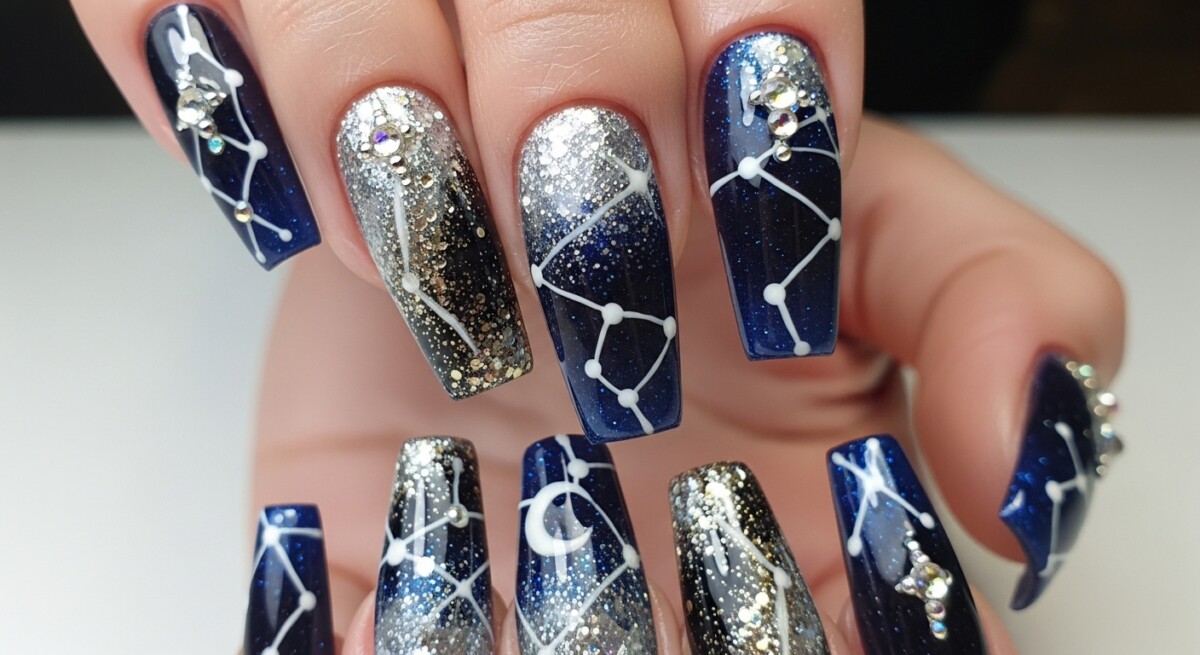
- Dark and Moody Hues: Burgundy, deep blues, and blacks complement the edgy vibe of coffin nails and add drama to ballerina nails.
- Metallics and Glitters: The broad tip is ideal for showcasing sparkling accents.
Design Ideas
- French Tips: A classic French manicure looks incredibly chic on both shapes, especially with a subtle modern twist like colored tips or a deeper smile line.
- Ombre and Gradient: The long surface area allows for beautiful color transitions.
- Rhinestones and Embellishments: Whether it’s a single accent stone or a full glitter gradient, these shapes can handle intricate detailing.
- Abstract Art and Geometric Patterns: The clean lines of the shapes provide a perfect backdrop for modern art designs.
- Matte Finish: A matte top coat can transform the look, giving both coffin nails and ballerina nails a velvety, sophisticated finish.
Conclusion
The debate between coffin nails and ballerina nails ultimately comes down to subtle distinctions and personal preference. While both feature a striking tapered profile and a blunt tip, coffin nails tend to be more angular and dramatic, embodying a bold, edgy style. Ballerina nails, on the other hand, offer a softer, more gradual taper and a narrower tip, resulting in a look that is both elegant and modern.
Regardless of which you choose, both shapes promise to elongate your fingers, provide an excellent canvas for diverse nail art, and keep you at the forefront of nail fashion. Consider your lifestyle, your desired aesthetic, and how much maintenance you’re willing to commit to. Once you’ve made your choice, get ready to showcase your stunning new manicure with confidence!
Frequently Asked Questions
Are coffin nails and ballerina nails the same thing?
No, while very similar, coffin nails and ballerina nails are not exactly the same. The main difference lies in the degree of tapering and the width of the blunt tip. Coffin nails typically have a more pronounced, angular taper and a slightly wider tip, giving them an edgier look. Ballerina nails feature a softer, more gradual taper and a narrower, more refined tip, resulting in a more elegant aesthetic.
What nail length is best for coffin or ballerina shapes?
Medium to long length is generally best for both coffin nails and ballerina nails. This length provides enough surface area for the nail technician to create the distinctive tapered sides and the crisp blunt tip that defines these styles. Shorter nails may not allow for the full expression of these shapes and might appear more like a standard squoval.
Do coffin nails damage your natural nails more than other shapes?
The shape of coffin nails itself does not inherently cause more damage to natural nails than other shapes. However, because both coffin nails and ballerina nails are often worn at medium to long lengths and frequently achieved using artificial enhancements (like acrylics or gel extensions), the potential for damage comes from the application and removal process of these enhancements, not the shape itself. Proper professional application and gentle removal are crucial for maintaining nail health, regardless of the shape.


5 thoughts on “Coffin vs. Ballerina Nails: Find Your Perfect Shape Now”